



Adenylate Cyclase Inhibitor
-
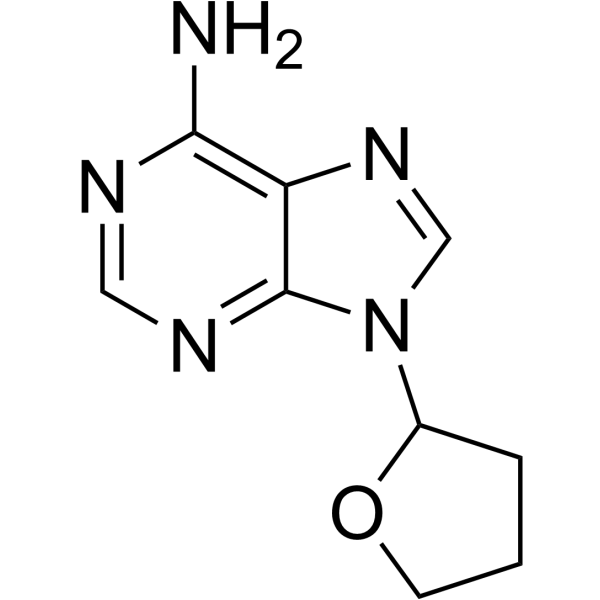
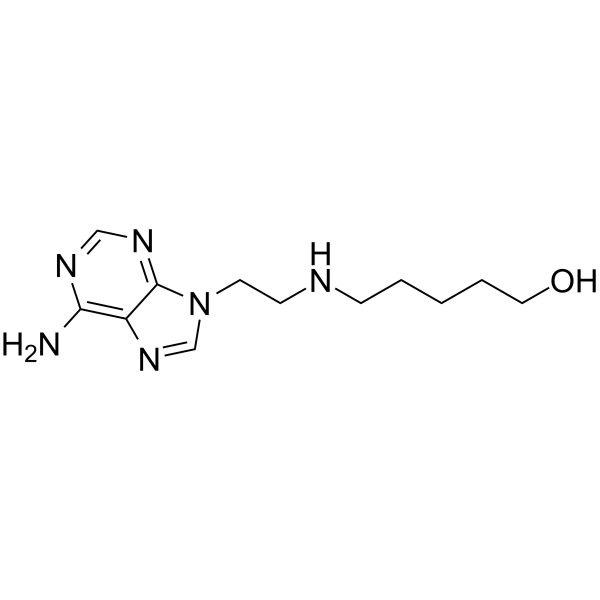
SQ22536
 0 Images
SQ22536 is an effective adenylate cyclase (AC) inhibitor.
-
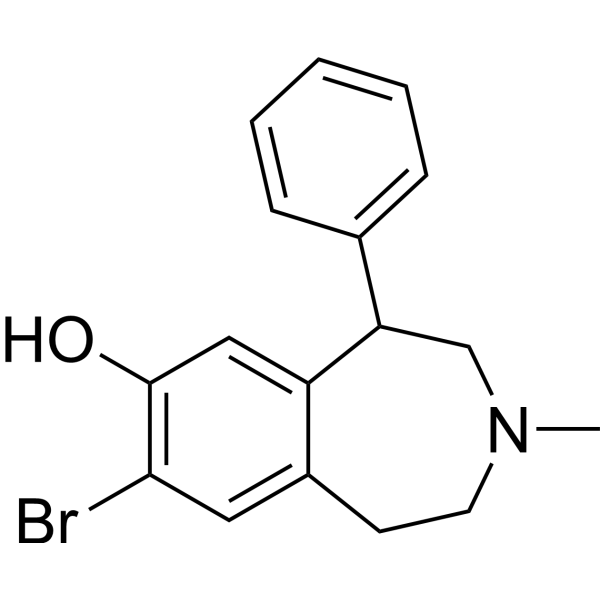
SKF-83566
 0 Images
SKF-83566 is an orally active, blood-brain barrier-permeable D1/D5 dopamine receptor antagonist with a Ki value of approximately 0.4-0.56 nM. SKF-83566 modulates locomotor behavior and spatial memory by blocking D1 receptors and inhibits glioblastoma progression by targeting the DRD1/c-Myc/UHRF1 pathway. SKF-83566 acts as an inhibitor of the dopamine transporter (DAT) and adenylyl cyclase 2 (AC2). SKF-83566 competitively binds to DAT to inhibit dopamine reuptake and non-competitively inhibits AC2 activity, thereby reducing cAMP accumulation. SKF-83566 is used in research areas such as dopaminergic system mechanisms, learning and memory, targeted intervention for glioblastoma, AC2 pathophysiology, antiparasitic drug screening, and synaptic plasticity (the "gating effect").
-
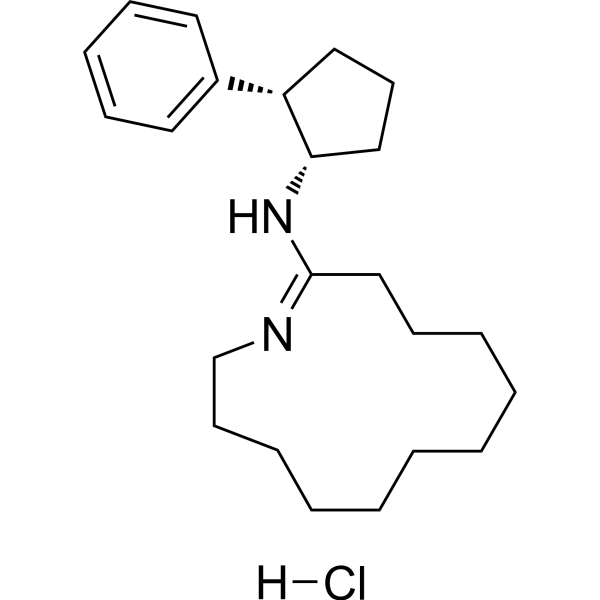
MDL12330A
 0 ImagesSynonyms: RMI12330A
MDL12330A (RMI12330A) is an adenylyl cyclases inhibitor. MDL12330A can inhibit KV channels, increases insulin secretion and Ca2+ levels. MDL12330A accentuates contractions in uterine rings and inhibits cardiac functions. MDL12330A can be used for the research of endocrinology, metabolic and cardiovascular disease .
-
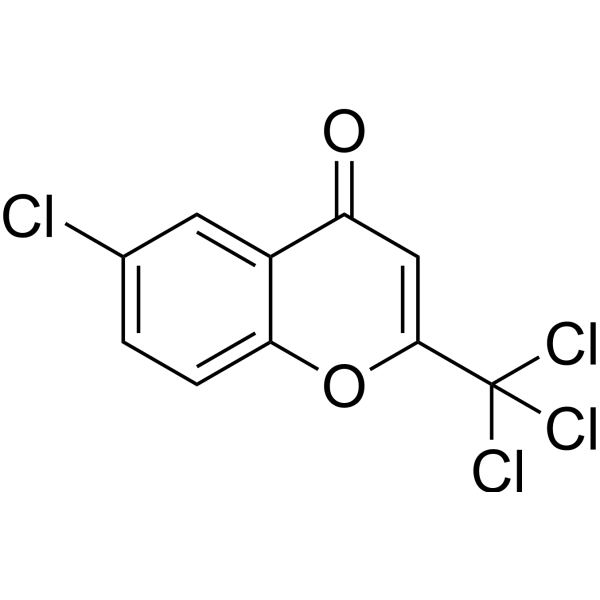
ST034307
 0 Images
ST034307 is a potent and selective adenylyl cyclase 1 (AC1) inhibitor, with IC50 of 2.3 μM.
-
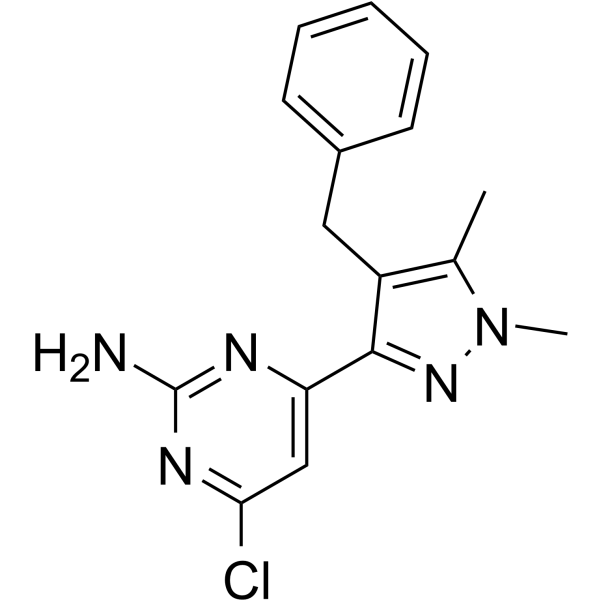
TDI-10229
 0 Images
TDI-10229 is a potent and orally bioavailable inhibitor of soluble adenylyl cyclase (sAC, ADCY10). TDI-10229 displays nanomolar inhibition of sAC in both biochemical and cellular assays (IC50 of 195 nM) and exhibits mouse pharmacokinetic properties sufficient to warrant its use as an in vivo tool compound.
-
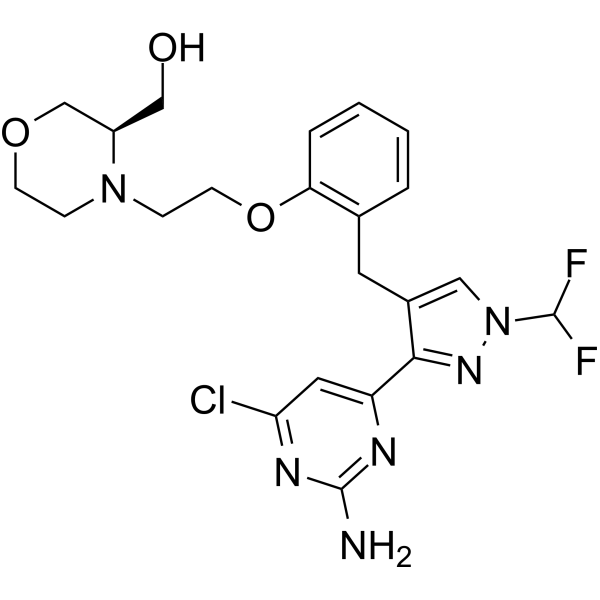
TDI-11861
 0 Images
TDI-11861 is an orally active soluble sAC inhibitor optimized and designed based on TDI-10229 (HY-132298), with an IC50 of 3.3 nM and a KD of 1.4 nM. TDI-11861 has advantages such as high affinity, slow dissociation, and good pharmacokinetics. TDI-11861 can be used for research on male contraception and related sAC pharmacology.
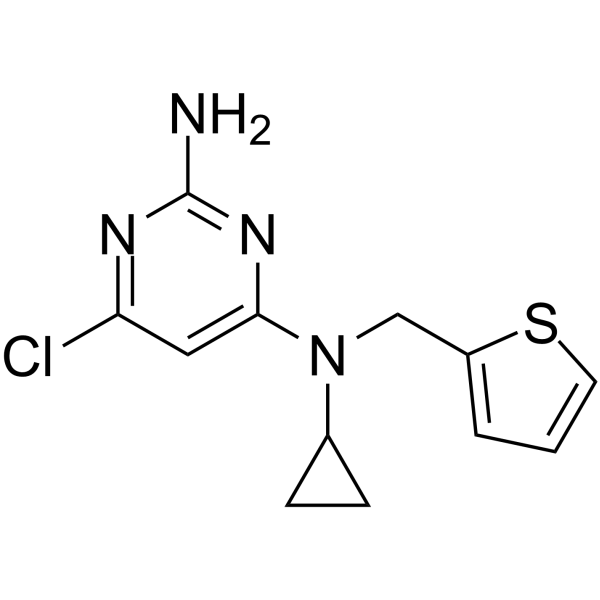
-
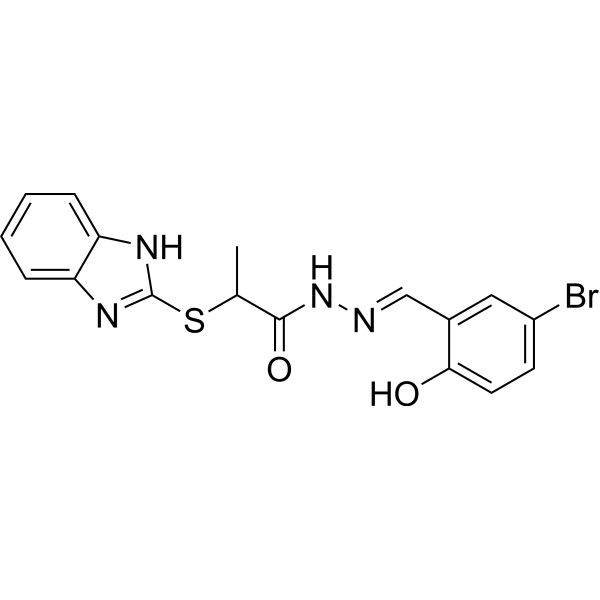
KH7
 0 Images
KH7 is a soluble adenylyl cyclase (sAC)-specific inhibitor, with IC50s of 3-10 μM toward both recombinant purified human sACt protein and heterologously expressed sACt in cellular assays. KH7 is also a cAMP inhibitor.
-
6-Hydroxyhexanoic acid
 0 ImagesSynonyms: 6-HHA
6-Hydroxyhexanoic acid (6-HHA) is a bacterial effector molecule with metabolic and immunomodulatory activities. 6-Hydroxyhexanoic acid activates the JAK1-STAT1 signaling pathway, promotes phenotypic conversion of M2 macrophages to M1 macrophages, and exerts anti-tumor effects by regulating macrophage polarization. 6-Hydroxyhexanoic acid inhibits lipolysis in adipocytes mediated by Gαi family GPCR, and reduces high-fat diet-induced weight gain and obesity. 6-Hydroxyhexanoic acid can be used in studies related to pancreatic ductal adenocarcinoma, obesity, and insulin resistance.
-
Zelminemab
 0 ImagesSynonyms: AMG-301
Zelminemab (AMG-301) is a humanized monoclonal antibody that inhibits PACAP type I (PAC1) receptor.
-
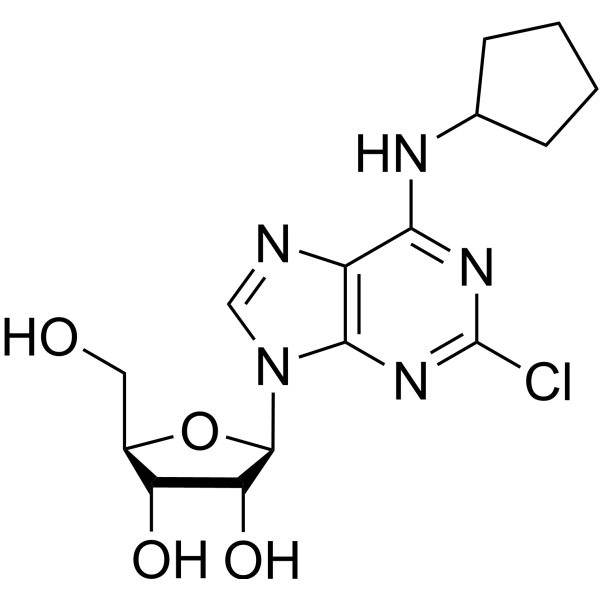
CCPA
 0 ImagesSynonyms: 2-Chloro-N6-cyclopentyladenosine
CCPA (2-Chloro-N6-cyclopentyladenosine) a highly selective A1 adenosine receptors agonist with a Ki of 0.4 nM. CCPA inhibits adenylate cyclase with an IC50 of 33 nM. CCPA exhibits anti-seizure and cardiacprotective activity. CCPA can be used for the research of seizure and myocardial infarction.
-
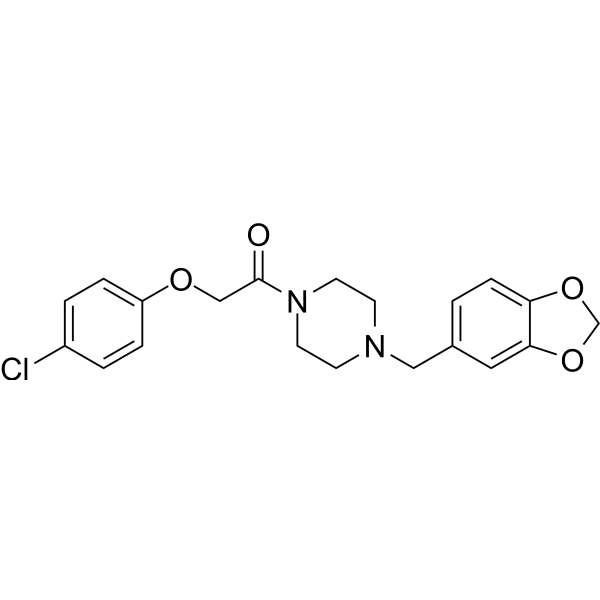
Fipexide
 0 ImagesCat. No.: HY-B1124CAS No.: 34161-24-5
Fipexide, a parachloro-phenossiacetic acid derivative, is an orally active nootropic agent. Fipexide reduces striatal adenylate cyclase activity. Fipexide has positive effect on cognitive performance by dopaminergic neurotransmission. Fipexide is used for senile dementia research. Fipexide acts as a chemical inducer in callus formation, shoot regeneration and Agrobacterium infection.
-
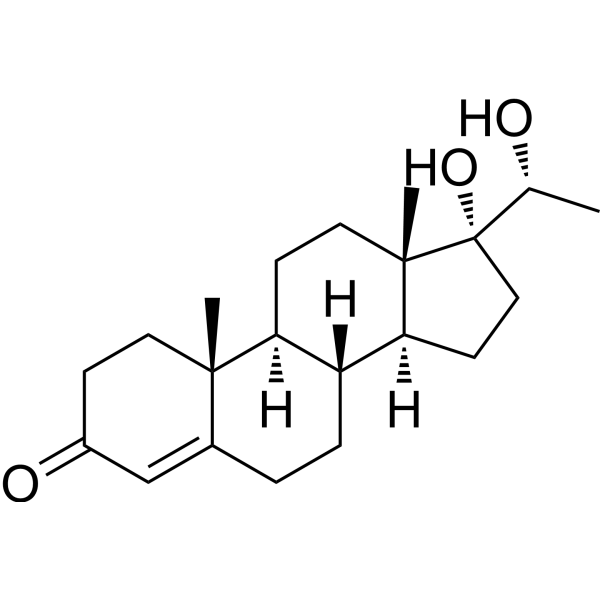
17α,20β-Dihydroxy-4-pregnen-3-one
 0 ImagesCat. No.: HY-W587733CAS No.: 1662-06-2Synonyms: 17,20β-P; 17,20β-DHP
17α,20β-Dihydroxy-4-pregnen-3-one (17,20β-P; 17,20β-DHP) acts as the maturation-inducing hormone (MIH) in salmonid fish and rainbow trout. 17α,20β-Dihydroxy-4-pregnen-3-one binds to oocyte-specific plasma membrane receptors and pertussis toxin-sensitive inhibitory G proteins in fish, inhibits Adenylate Cyclase and reduces intracellular cAMP via the membrane receptor-G protein coupling pathway, thereby initiating downstream signal transduction. 17α,20β-Dihydroxy-4-pregnen-3-one induces de novo synthesis of cyclin B, mediates the translation of cyclin B mRNA and the phosphorylation of cdc2, and promotes the production of maturation-promoting factor (MPF). 17α,20β-Dihydroxy-4-pregnen-3-one drives meiotic maturation of fish oocytes. 17α,20β-Dihydroxy-4-pregnen-3-one is applicable for development-related research.
-
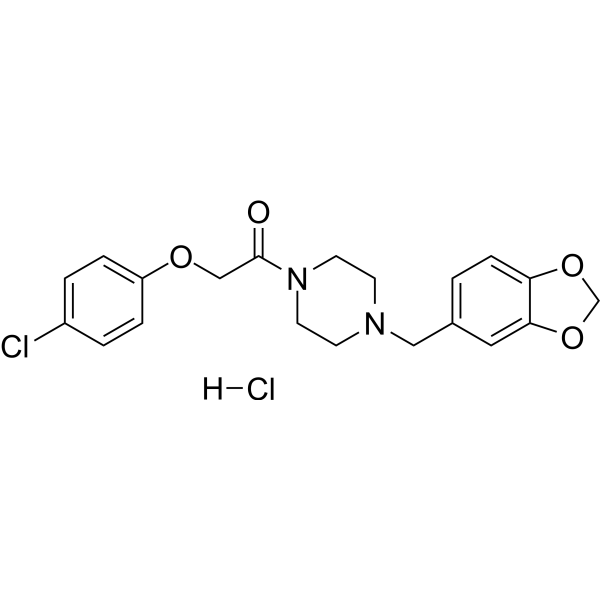
Fipexide hydrochloride
 0 Images
Fipexide hydrochloride, a parachloro-phenossiacetic acid derivative, is an orally active nootropic agent. Fipexide hydrochloride reduces striatal adenylate cyclase activity. Fipexide hydrochloride has positive effect on cognitive performance by dopaminergic neurotransmission. Fipexide hydrochloride is used for senile dementia research. Fipexide hydrochloride acts as a chemical inducer in callus formation, shoot regeneration and Agrobacterium infection.
-
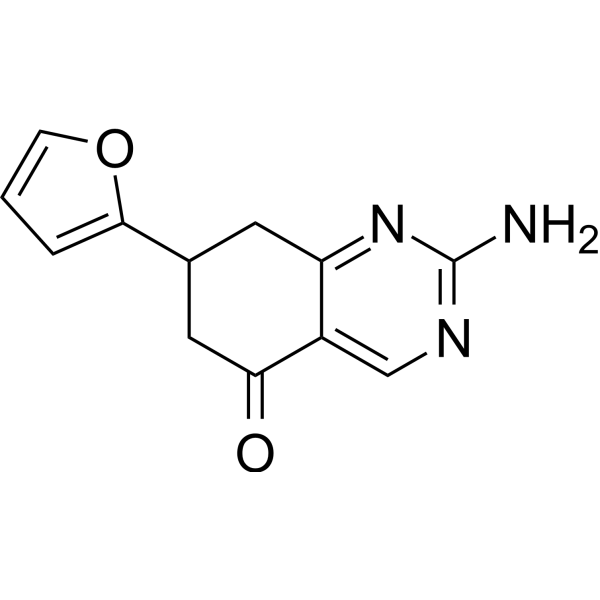
NKY80
 0 Images
NKY80 is a potent, selective and non-competitive adenylyl cyclase (AC) type V isoform inhibitor with IC50s of 8.3 µM, 132 µM and 1.7 mM for type V, III and II, respectively. NKY80 is a non-nucleoside quinazolinone and regulates the AC catalytic activity in heart and lung tissues.
-
Guanosine 5'-O-2-thiodiphosphate trisodium
 0 ImagesCat. No.: HY-137683ASynonyms: GDPβS trisodium
Guanosine 5'-O-(2-thiodiphosphate) trisodium (GDPβS trisodium) is a non-hydrolyzable derivative of GDP. Guanosine 5'-O-(2-thiodiphosphate) trisodium acts as an inhibitor of adenylyl cyclase (AC) with a Ki value of 600 nM. In the absence of glutamic-pyruvic transaminase (GPT) in cerebral cortex membranes of rodent models, Guanosine 5'-O-(2-thiodiphosphate) trisodium partially activates AC with an EC50 of 400 nM. Guanosine 5'-O-(2-thiodiphosphate) trisodium prevents norepinephrine-induced nitric oxide release in ventricular myocytes.
-
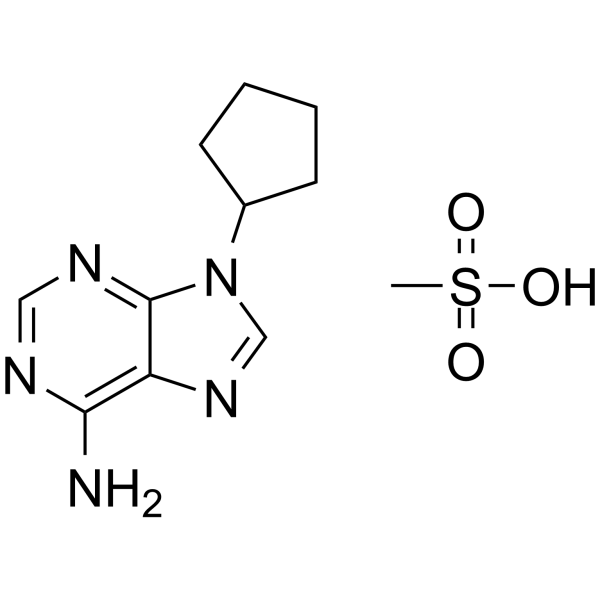
9-Cyclopentyladenine monomethanesulfonate
 0 ImagesSynonyms: 9-CP-Ade mesylate
9-Cyclopentyladenine monomethylsulfonate (9-CP-Ade mesylate) is a stable non-competitive adenylate cyclase inhibitor with cell permeable properties.
-
CB-7921220
 0 Images
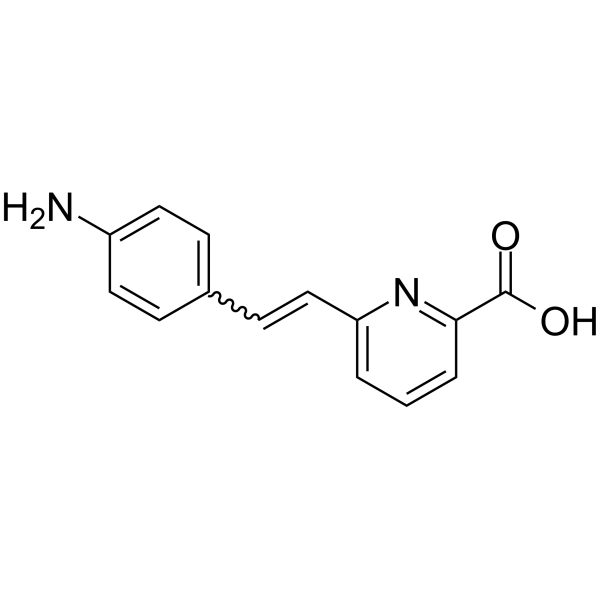
CB-7921220 is an adenylate cyclase inhibitor.



